Calorie counting works for some people, but it demands time, precision, and a tolerance for numbers that many of us do not have at 7pm on a Wednesday. A balanced plate offers a lower-effort default: change the proportions of a normal meal instead of tracking every gram.
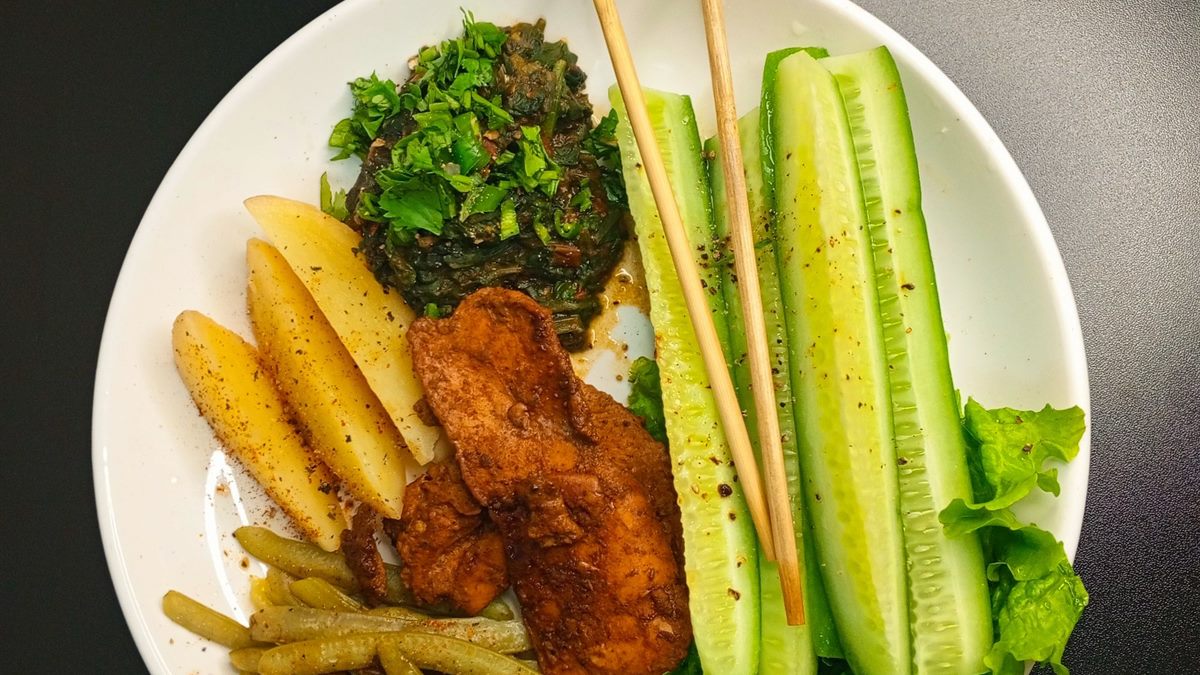
The basic proportions
Picture a standard dinner plate. Fill about half with vegetables or fruit. Give roughly a quarter to a protein food: fish, poultry, eggs, tofu, beans, or plain dairy. Give the remaining quarter to a starchy carbohydrate such as rice, potatoes, bread, or noodles. Add a modest amount of fat for flavour and staying power.
That is the whole model. It is deliberately visual, so it works without an app and survives a restaurant where you cannot weigh anything.
Build the vegetables first
Most people eat fewer vegetables than they intend because they plan the main dish and then look for a side. Reverse the order. Choose the vegetable component first, then decide what goes with it. Roasted, stir-fried, raw, frozen, or tinned all count. Convenience is not a moral failing.
If half a plate feels unrealistic at first, aim for a third. The direction matters more than the exact geometry, and a plate that is mostly beige is the one worth changing.
Put protein at every meal
Protein supports muscle maintenance and tends to make a meal more satisfying. It does not have to be meat. Eggs, Greek yoghurt, cottage cheese, lentils, chickpeas, tofu, tempeh, and fish are all practical options.
A palm-sized portion is a reasonable starting point for many adults, adjusted for body size and activity. If you train regularly, spread protein across two or three meals rather than saving it all for dinner.
Choose carbohydrates that fit the day
Carbohydrates are not the enemy. They are the fuel that makes hard training and busy afternoons possible. The useful question is which kind and how much for the day you are having. Whole grains, potatoes, oats, fruit, and beans bring fibre and nutrients alongside the energy.
On a rest day, a smaller starch portion may feel right. Before or after a long run or a strength session, a larger one usually helps. The plate is a template, not a fixed prescription.
A week of plates, not a perfect day
One unbalanced meal changes very little. The pattern across a week is what matters. Try these defaults when you are tired:
- Keep frozen vegetables and tinned beans in the cupboard.
- Cook one protein in a larger batch and reuse it for two meals.
- Use a smaller plate when portions tend to drift.
- Put the vegetables on the table first, not the bread.
- Keep fruit visible and snacks out of sight.
None of this requires a diet identity. You can eat cake and still use the plate method at the next meal.
When the plate method is not enough
Medical conditions, food allergies, disordered eating, pregnancy, and high-level athletic goals may need individual advice. A plate template cannot replace a dietitian who knows your history. If you feel anxious around food or lose control of eating, seek professional support rather than tightening the rules.
The Harvard Healthy Eating Plate is a useful visual reference with more detail. For the fibre side of the plate, read fibre: how to increase it without bloating.

Frequently asked questions
Do I need to count calories to lose weight?
Not necessarily. The plate method changes energy intake by changing proportions. Some people still need tracking for a specific goal, but it is not a requirement for eating well.
Is the balanced plate suitable for vegetarians?
Yes. Use beans, lentils, tofu, tempeh, eggs, dairy, or soy products for the protein quarter. Combining different plant proteins across the day covers the basics well.
How much protein is on a balanced plate?
A palm-sized portion per meal is a practical starting point. Needs vary with body size, training, age, and health status, so adjust with professional advice if needed.
Can I eat carbs at night?
Yes. Carbohydrates at night do not automatically turn into fat. Total intake and overall pattern matter more than the clock, and some people sleep better with a modest evening meal.
Read next
Fibre: How to Increase It Without Bloating
Most adults need more fibre, and most people who try get bloated because they double their intake in one week. The fix is boring: slower increases and more water.