Energy in the morning is not only a matter of willpower. It is partly a timing problem. The body runs on an internal clock that responds to light, meals, movement, and when you sleep. Morning light is one of the strongest and cheapest signals you can give it.
What light does to the clock
Light exposure in the morning tells the brain that the active phase has begun. It supports alertness during the day and helps set the timing of melatonin later in the evening. Bright outdoor light is far stronger than indoor lighting, even on an overcast day. Ten minutes outside can deliver more useful signal than hours in a well-lit office.
This is why a morning walk often feels more energising than the same walk after dark. The movement helps, but the light is doing quiet work too.
A ten-minute routine
Keep it simple enough to repeat on a workday. The sequence matters less than getting outside early and avoiding a slow start on your phone.
- Open the curtains as soon as you get up.
- Drink a glass of water.
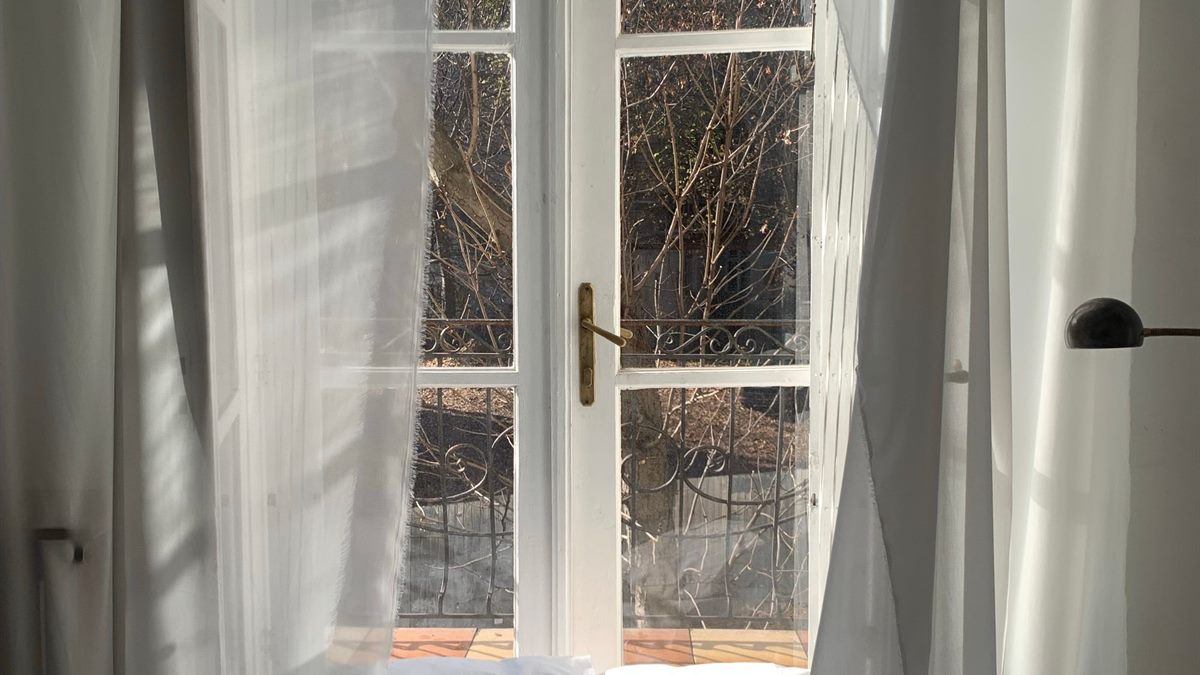
- Step outside, or sit by an open window, for five to ten minutes.
- Walk a short loop if the weather allows.
- Leave the phone inside, or use it only for music.
- Have breakfast after the light, not before it, if your schedule allows.
If you cannot go outside, sit near a window with the curtain open. It is not as strong as outdoor light, but it is better than a dark room and a bright screen.
Pair light with movement
Light and movement reinforce each other. A short walk covers both, and it also counts toward your daily steps. If walking is not possible, standing by a window while doing a few gentle mobility movements is a reasonable substitute.
Do not turn the routine into a workout you dread. The point is a reliable signal, not another performance to optimise.
If your mornings are chaotic, attach the light to something you already do. Take the first coffee outside, walk to the bus stop one stop earlier, or stand on the balcony while you wait for the kettle. A routine that borrows an existing anchor survives a busy week far better than one that needs a quiet house and perfect timing.
Protect the evening side
Morning light works best when the evening is not fighting it. Bright light late at night, especially from screens held close to the face, can delay the signal to wind down. Dim the room in the last hour before bed and keep the morning routine consistent. The two ends of the day are a pair.
Shift work, winter daylight hours, and caring responsibilities make this harder for some people. Do what is possible with the light you have, and do not treat a missed sunrise as a failed day.
When fatigue is not a routine problem
Persistent fatigue, low mood, or sleepiness that interferes with work deserves a medical conversation. Morning light can support energy, but it does not treat anaemia, thyroid problems, depression, or sleep disorders. If the routine does not help after a few weeks, look beyond the routine.
For the sleep side, read a consistent sleep window beats perfect sleep. The Sleep Foundation explains circadian rhythm in more detail.
Frequently asked questions
How much morning light do I need?
About ten to twenty minutes outdoors is a practical starting point for many people. Cloudy days still provide useful light, though you may need a little longer.
Does light through a window count?
It helps, but glass and indoor positioning reduce the intensity. Outdoor light is much stronger. A window seat is a reasonable fallback when going outside is not possible.
Should I look directly at the sun?
No. Never look directly at the sun. Face the general direction of the sky or sit in open daylight. The benefit comes from ambient light, not from staring at the source.
Can morning light help me sleep better?
It can support the timing of the sleep-wake cycle when paired with a consistent wake time and a dimmer evening. It is not a treatment for insomnia on its own.
Read next
Habit Stacking for People Who Quit Routines
A habit that needs a perfect morning is not a habit. It is a performance. Attach the new action to something you already do every day.