Recovery advice often arrives as a device reading: a readiness score, a strain number, a green ring. Those numbers can be useful, but they are summaries produced by a model that does not know your calendar, your sleep, or the fact that you moved house last weekend. The decision to train hard or back off still belongs to you.
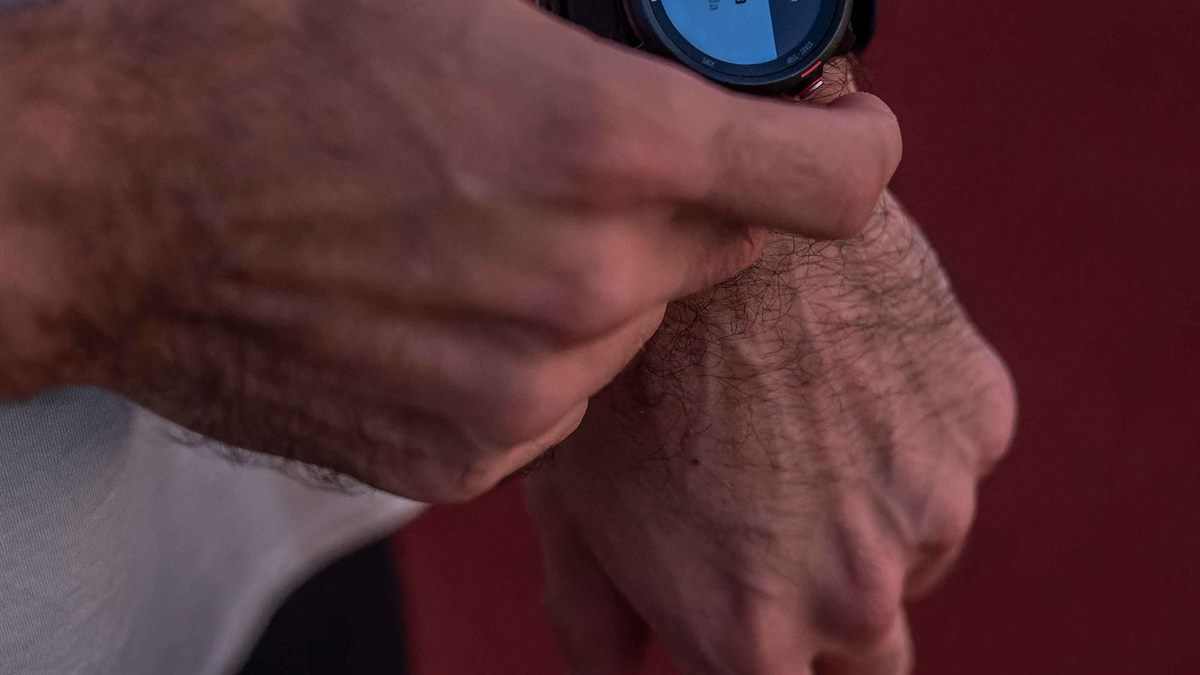
Start with the cheap signals
Before you open an app, check four things: how you slept, how your body feels, how your resting heart rate compares with your normal, and whether you want to train. None is definitive. Together they form a pattern.
Sleep quality is the strongest of the four for most people. A single rough night is survivable. Three in a row changes what a hard session costs you. Soreness matters when it is local and lingering rather than general and fading. Mood is easy to dismiss, but loss of appetite, irritability, and dread before training often appear before performance drops.
Use wearables as trend lines, not verdicts
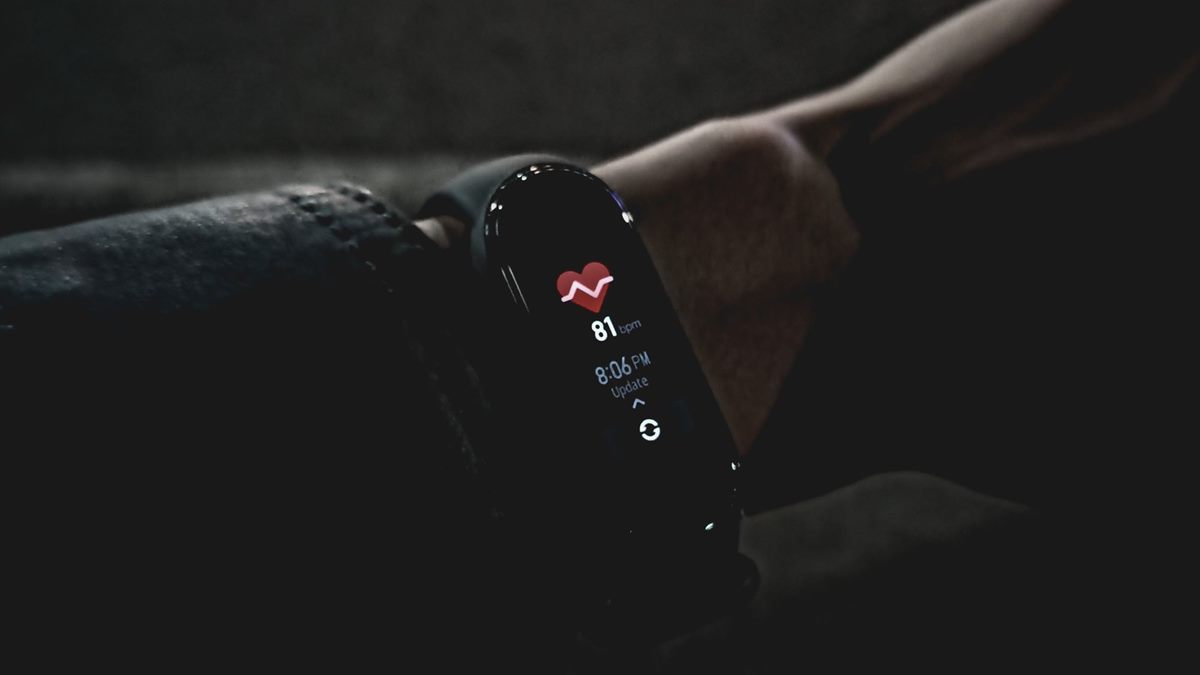
Resting heart rate and heart rate variability are useful when compared with your own baseline over weeks. A resting heart rate that is several beats above normal for two or three mornings, alongside poor sleep or a heavy training week, is a reason to reduce intensity. A single spike after alcohol or a late meal is not.
Readiness scores are proprietary and vary between brands. Treat them as one opinion. If the score says green but you feel flat and your resting heart rate is up, believe the pattern rather than the ring.
The easy-day menu
An easy day does not have to mean complete rest. Sometimes the best recovery session is light movement that increases blood flow without adding meaningful fatigue. Choose one based on how you feel:
- Twenty to thirty minutes of easy walking.
- A short mobility session at a comfortable range.
- The same strength session with half the sets and clearly lighter loads.
- Complete rest if you are sleep-deprived, ill, or in pain.
A planned easy day is cheaper than an unplanned week off. The skill is choosing it early, before the body forces the issue.
Separate soreness from injury
Normal soreness is diffuse, appears hours later, and improves with gentle movement. Pain that is sharp, one-sided, worsens through the session, or persists at rest is a different category. Do not train through joint pain to protect a streak. A few days of modified activity is usually less disruptive than months of compensation.
A simple weekly check
Once a week, ask three questions. Is my sleep roughly normal? Are my easy sessions feeling easy? Is my appetite and mood stable? If two answers are negative, cut the intensity of the next hard session and protect sleep before adding anything. If all three are negative for more than a week, take a lighter week and consider whether something outside training needs attention.
For sleep specifics, see a consistent sleep window beats perfect sleep. The American College of Sports Medicine publishes broader activity guidance if you are rebuilding a routine.
Frequently asked questions
How do I know if I need a rest day?
Look for a cluster: poor sleep for several nights, resting heart rate above your baseline, lingering soreness, and low motivation. One signal alone is usually noise; several together justify an easy day.
Is active recovery better than complete rest?
It depends. Light walking or mobility can help after normal training fatigue. Complete rest is better when you are ill, injured, or significantly sleep-deprived.
Can a high resting heart rate mean overtraining?
It can be one sign, but it also rises with alcohol, illness, heat, stress, and poor sleep. Compare it with your own trend over several days rather than a single reading.
Should I train through soreness?
Gentle movement is usually fine for normal muscle soreness. Avoid loading a painful joint, and stop if pain is sharp, one-sided, or worsening during the session.
Read next
A Consistent Sleep Window Beats Perfect Sleep
Sleep improves when the schedule is boring. Pick a wake time you can keep, set the window around it, and stop negotiating with the alarm clock.