Stress is not only a thought. It shows up in the body: faster breathing, a tighter chest, colder hands, and a mind that keeps scanning for the next problem. Because breathing is one of the few automatic processes you can also control, it gives you a small manual override.
Box breathing is one of the simplest versions. You inhale, hold, exhale, and hold again, each for the same count. The pattern is easy to remember and easy to do quietly in a chair.
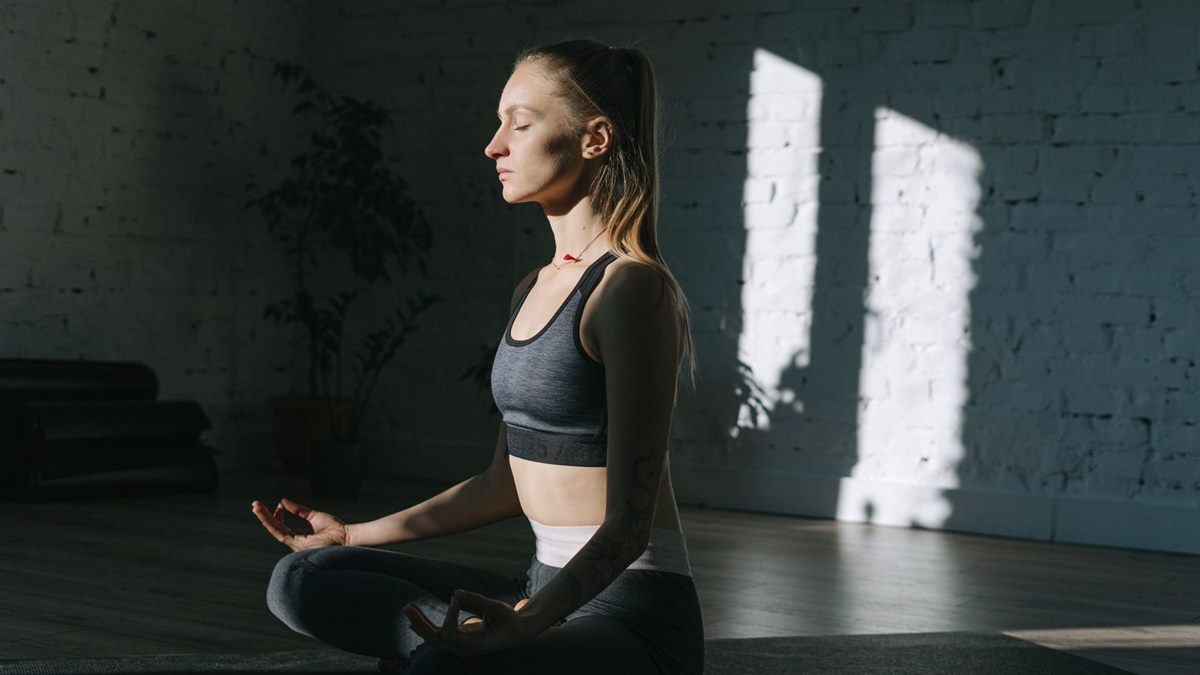
How to do it
Sit comfortably and let your shoulders drop. Breathe in through your nose for a slow count of four. Hold gently for four. Breathe out through your nose or mouth for four. Hold empty for four. Repeat for four to six rounds, then breathe normally.
Keep the holds gentle. If you feel dizzy or air-hungry, shorten the count or drop the holds entirely and simply slow the exhale. The goal is a slightly longer, smoother breath, not a test of endurance.
Why the exhale deserves attention
Breathing at a slower rate tends to shift the nervous system toward a more settled state, and a longer exhale is often the easiest part to extend. Many people find that a count of four in and six out feels calmer than four in and four out, even without holds.
You do not need to measure heart rate or buy a device. The useful feedback is subjective: does your jaw loosen, does your chest feel less tight, can you think one step ahead instead of reacting?
When to use it
Box breathing fits best in the gap before or after a stressor, not in the middle of an emergency that needs action. Good moments include:
- Before a meeting or a difficult conversation.
- After a commute that left you tense.
- Between tasks when your attention is scattered.
- Before sleep, if your mind is racing.
- During a break in a long study or work session.
One minute counts. You do not need twenty minutes of silence to get a useful shift.
Common mistakes
The first mistake is breathing too hard. Big, forceful breaths can lower carbon dioxide and make you feel lightheaded. The second is holding tension in the shoulders while trying to relax the chest. The third is treating the exercise as a cure for a problem that needs a conversation, a boundary, or medical help.
If breathing exercises make you more anxious, stop. Attention to bodily sensations can be uncomfortable for some people, especially with a history of panic. A short walk or a change of room may work better.
What it can and cannot do
Slow breathing is a skill for regulating arousal. It can lower the intensity of a stress response enough for you to choose your next action. It does not remove a heavy workload, repair a relationship, or treat an anxiety disorder.
If stress is affecting sleep, appetite, or your ability to work for more than a couple of weeks, speak with a qualified professional. The National Center for Complementary and Integrative Health reviews relaxation approaches and their evidence.
For a related daily habit, pair this with the wake-time routine in a consistent sleep window beats perfect sleep.
Frequently asked questions
How long should I do box breathing?
Four to six rounds, or about one to two minutes, is enough for a quick reset. Longer sessions are fine if they feel comfortable, but consistency matters more than duration.
Is box breathing safe for everyone?
It is generally safe, but stop if you feel dizzy or more anxious. People with panic histories or breathing conditions should start gently and may prefer a simple slow exhale without holds.
Does box breathing lower heart rate?
Slow breathing can reduce arousal and may lower heart rate briefly, but the effect varies. The main benefit is a calmer state that helps you choose your next action.
Can breathing exercises replace therapy?
No. They are a self-regulation tool, not a treatment for anxiety disorders, depression, or trauma. Persistent symptoms deserve professional support.
Read next
Caffeine Cutoff: When to Stop for Better Sleep
The useful question is not how much coffee is safe. It is how much caffeine is still in your system when your sleep window opens.